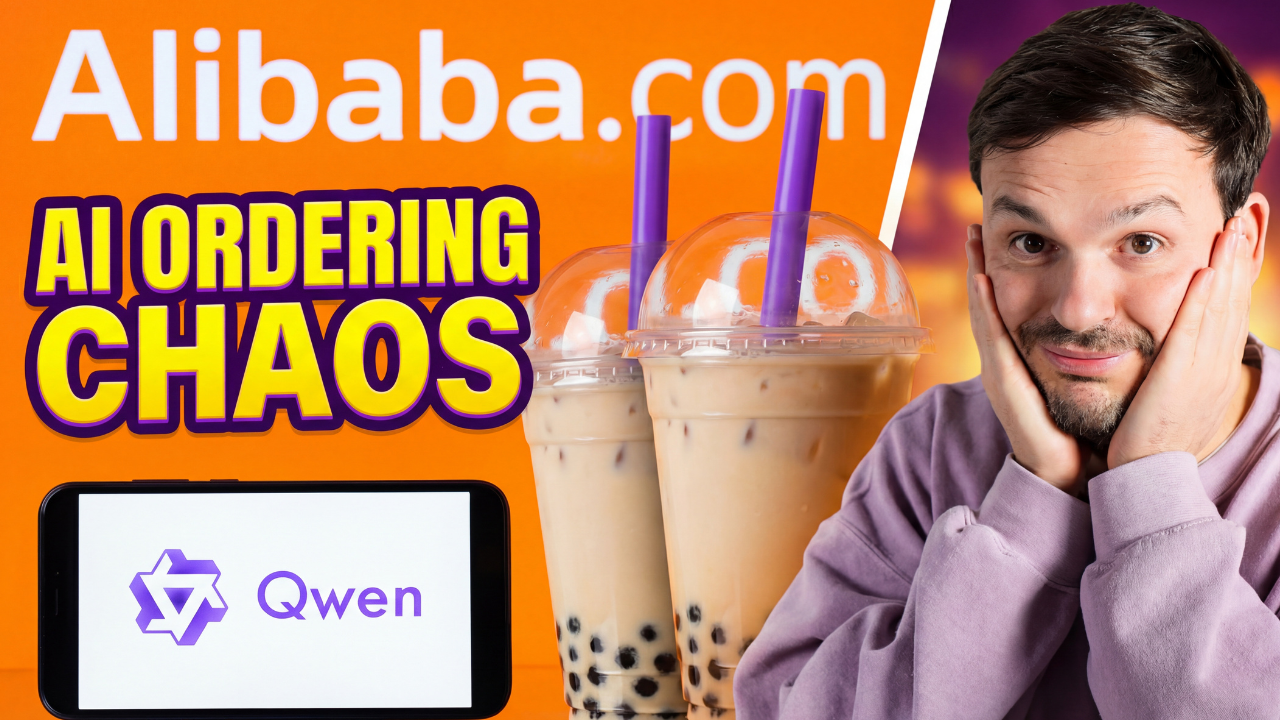

I was recently looking at the latest data on AI adoption and stumbled across footage from China that looked more like a bank run than a tech launch. We often talk about AI "disrupting" industries in a metaphorical sense, smarter emails, faster coding, better spreadsheets. But during the Chinese New Year, Alibaba’s AI agent, Qwen, disrupted the physical world so effectively that it actually broke the infrastructure of local tea shops.
Read MoreI recently came across a fascinating stress test of a leading Large Language Model (LLM) that perfectly encapsulates the paradox of modern AI. The user asked a simple question: "I need to wash my car and the car wash is 100 meters away: should I walk or drive?" The AI, with unwavering confidence, suggested walking to save gas and enjoy the fresh air. When pressed on how the car would actually get cleaned if it remained in the driveway, the AI pivoted with a verbal shrug, suddenly "remembering" that cars generally require a physical presence at a car wash to be cleaned.
This interaction is more than just a funny anecdote: it is a stark reminder that while we are investing billions into the global AI economy, the core technology often struggles with basic causal reasoning. We are essentially building a digital skyscraper on a foundation of "confident guesswork."
Read MoreI was recently scrolling through a curated feed of emerging tech when a particular clip of the Helix O2 caught my eye. It wasn't the typical high-octane demonstration of robotic prowess. Instead, it was a quiet, almost mundane scene: a bipedal machine meticulously putting dishes away in a residential kitchen. There is something profoundly surreal about watching a machine handle fragile porcelain with clinical precision.
Read MoreI was scrolling through content and came across a clip of Ben Affleck talking about AI.
To be honest, I didn’t expect much. I’ve always seen him as a solid actor, not necessarily someone I’d go to for insights on technology. But the take was sharper than I expected, so I thought it was worth breaking down.
Read MoreI was scrolling through LinkedIn when I came across a video from Gary Vaynerchuk, the marketing entrepreneur who leads a company with more than 2,000 employees.
One statement immediately stood out: he said he hasn’t looked at a résumé or checked references in decades. That might sound shocking, even irresponsible. But the more I reflected on it, the more I realized there is a deeper truth behind his perspective.
Read MoreEvery year, Zendesk publishes its Customer Experience Trends report, and every year it promises a glimpse into the future. This year marks the eighth edition, based on surveys from more than 11,000 respondents, and unsurprisingly, AI is everywhere.
But here’s the uncomfortable truth: most of what’s described as “new” is not new at all. These are the same customer experience principles we’ve been talking about for years, now wrapped in AI terminology. The fundamentals haven’t changed. What has changed is the pressure to execute them properly.
Read MoreIn customer experience and customer service, performance is often measured using KPIs and OKRs. These two concepts are frequently mixed up, treated as interchangeable, or applied without a clear understanding of their purpose. While closely related, KPIs and OKRs serve very different roles. Understanding how, and when to use each is essential for building scalable, customer-centric operations.
Read MoreEvery year, it’s the same soundtrack: George Michael’s Last Christmas and Mariah Carey’s endless holiday hits. Haven’t we had enough? Yet, even as the familiar tunes play, the way people celebrate Christmas is changing — and 2025 is shaping up to be very different from the consumer-heavy holiday seasons of the past.
Read MoreCustomer experience (CX) continues to evolve rapidly, with AI and automation transforming how businesses interact with customers. Dominic, a CX consultant with over 15 years of experience, reflects on past predictions, evaluates what actually happened in 2025, and shares his insights for CX in 2026.
Read MoreNet Promoter Score (NPS) was once celebrated as the universal metric for customer loyalty. One simple question—How likely are you to recommend us to a friend?—promised to predict growth, retention, and long-term business success.
But in reality, customers make recommendations for complex reasons that a single number can’t capture. A business can score high on NPS and still fail to grow, or score average and expand rapidly. This article explores why NPS falls short, why companies continue to rely on it, and how the newer “Earned Growth Rate” metric addresses those shortcomings.
Read MoreRunning a support team on Zendesk can save time — but only when it’s properly configured. Without a clear structure, your team risks inefficient workflows, inconsistent macros, manual overhead, and frustrated customers. That’s where Zendesk optimization comes in. We help turn your Zendesk setup into a high-efficiency engine, tailored to your business needs, so your team can work smarter and your customers get the support they deserve.
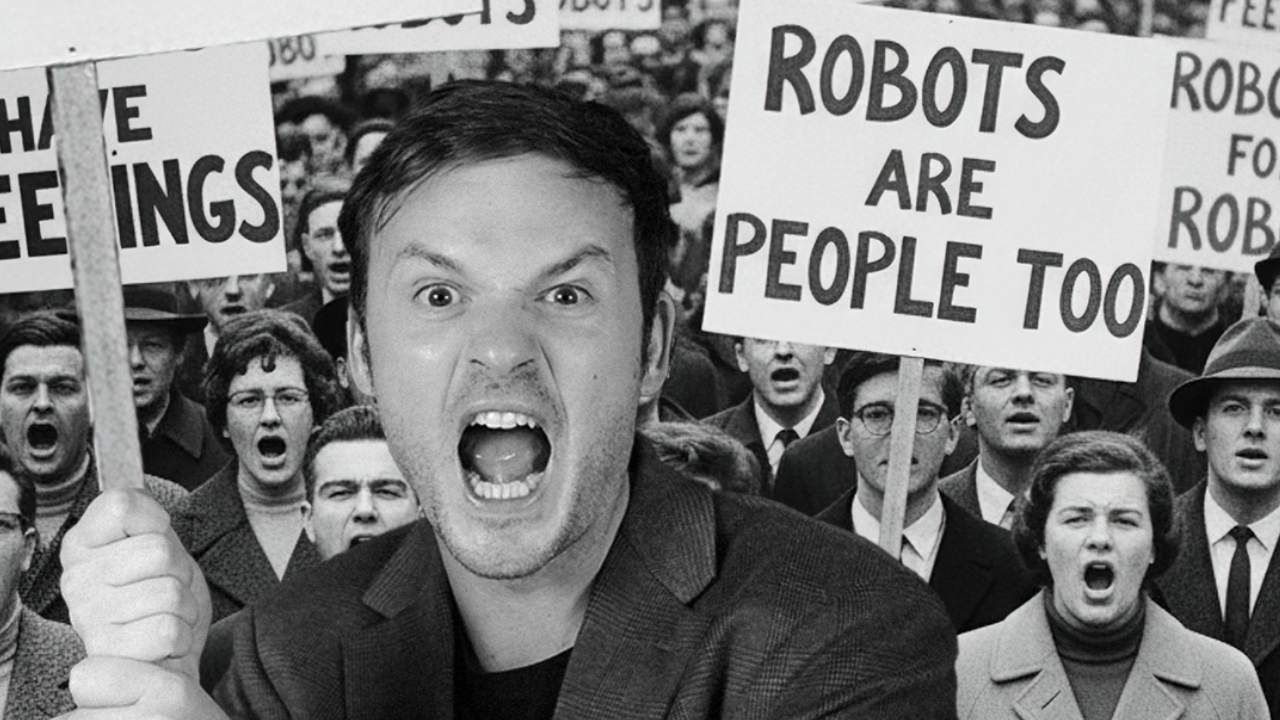
Read MoreThe conversation around artificial intelligence has taken a bizarre turn. What started as simple concerns about AI making mistakes has escalated into public debates about whether machines deserve personhood or even constitutional rights. Tech leaders warn us not to be fooled by lifelike AI—while simultaneously building systems designed to sound emotional, quirky, and human. This article breaks down how we got here, why the conversation is so confusing, and what it says about our collective relationship with technology.
Read MoreFor nearly a century, if you thought photography, you thought Kodak. The brand didn’t just sell cameras and film—it shaped how the world captured memories. And then, seemingly overnight, it vanished from cultural relevance and filed for bankruptcy. What happened? In short: Kodak innovated early, dominated globally, and then lost the plot when the customer journey changed. This is the story of how a customer-experience pioneer became a cautionary tale—and what every modern business can learn from it.
Read MoreSalesforce has long been a heavyweight in enterprise software, but recent numbers show just how massive the company has become. In its latest results, Salesforce reported $15 billion in annual cash flow and over $10 billion in quarterly revenue, growing 10% year-over-year. These figures position Salesforce as one of the largest players in the software industry.
Read More$300 billion. Let that number sink in for a moment. Oracle and OpenAI have just signed the largest cloud computing contract in history—a five-year deal worth $60 billion per year. To put it in perspective, that’s more than five times OpenAI’s current annual revenue. If either of these companies messes this up, it could drag both down. But if it works, this could be the deal that defines the future of artificial intelligence.
Read MoreFor years, many of us treated AI like a quirky, fun toy. It gave confident answers—sometimes useful, sometimes laughably wrong—but always fascinating. The problem? These “hallucinations” aren’t just bugs. They’re part of how AI works. And according to a new paper published by OpenAI, they’re partly our fault.
Read MoreKnock, knock, knock. Who’s there? AI. And it’s not here to play—it’s here for your job. The consulting industry, especially the Big Four (Ernst & Young, PwC, Deloitte, and KPMG), has long dominated the corporate advisory world. But now, a new competitor is quietly moving through the corridors of their clients: OpenAI and other big tech players. The consulting model we knew may soon become obsolete, and AI-driven infrastructure could take its place.
Read MoreChatGPT isn’t just your friendly chatbot anymore. It’s evolving into something much bigger—the way we interact with everything. That’s not an exaggeration. According to a leaked internal memo from OpenAI, the company has massive ambitions for 2025 and 2026, and if even half of it becomes reality, the way we use technology is about to change forever.
Read MoreIn the race to adopt artificial intelligence, many companies are rushing to automate customer service — some at the cost of human jobs. It’s a tempting move, especially with shareholders and executives demanding quick wins and lower costs. But before you swap your support team for an algorithm, let’s take a step back. What’s really at stake when we hand over the customer experience to machines?
Read MoreMany businesses unknowingly lose customers—not because of bad products, but because of the signals they send. One common example? Coffee shops near closing time.
In this post, I’ll break down exactly why that happens, using coffee shops as the case study, and share how a simple shift in behavior can help fix it—boosting both customer satisfaction and sales.
Read More